Sunday, 18 October 2026
Friday, 25 September 2026
Tuesday, 15 September 2026
Thursday, 10 September 2026
Friday, 28 August 2026
Friday, 31 July 2026
Friday, 26 June 2026
Friday, 29 May 2026
Thursday, 07 May 2026
Thursday, 30 April 2026
Friday, 27 March 2026
Wednesday, 25 February 2026
Friday, 13 February 2026
Monday, 02 February 2026
Thursday, 29 January 2026
Friday, 16 January 2026
Friday, 18 December 2025
Tuesday, 08 December 2025
Saturday, 05 December 2025
Friday, 04 December 2025
Thursday, 26 November 2025
Wednesday, 25 November 2025
Wednesday, 11 November 2025
Saturday, 07 November 2025
Tuesday, 03 November 2025
Saturday, 31 October 2025
Sunday, 25 October 2025
Thursday, 22 October 2025
Wednesday, 30 September 2025
Tuesday, 29 September 2025
Friday, 25 September 2025
Saturday, 05 September 2025
Thursday, 27 August 2025
Saturday, 01 August 2025
Thursday, 23 July 2025
Thursday, 25 June 2025
Thursday, 28 May 2025
Tuesday, 19 May 2025
Friday, 15 May 2025
Thursday, 07 May 2025
Tuesday, 28 April 2025
Saturday, 25 April 2025
Thursday, 23 April 2025
Friday, 27 March 2025
Wednesday, 11 March 2025
Tuesday, 10 March 2025
Tuesday, 03 March 2025
Thursday, 26 February 2025
Sunday, 08 February 2025
Wednesday, 04 February 2025
Tuesday, 03 February 2025
Monday, 02 February 2025
Sunday, 01 February 2025
Friday, 30 January 2025
Wednesday, 28 January 2025
Sunday, 18 January 2025
Thursday, 24 December 2024
Wednesday, 23 December 2024
Saturday, 19 December 2024
Wednesday, 02 December 2024
Saturday, 28 November 2024
Thursday, 26 November 2024
Friday, 30 October 2024
Monday, 26 October 2024
Monday, 19 October 2024
Sunday, 18 October 2024
Tuesday, 13 October 2024
Friday, 02 October 2024
Sunday, 27 September 2024
Monday, 21 September 2024
Monday, 14 September 2024
Saturday, 29 August 2024
Monday, 24 August 2024
Thursday, 30 July 2024
Wednesday, 22 July 2024
Monday, 13 July 2024
Wednesday, 08 July 2024
Saturday, 27 June 2024
Thursday, 25 June 2024
Sunday, 21 June 2024
Saturday, 06 June 2024
Friday, 05 June 2024
Wednesday, 03 June 2024
Monday, 01 June 2024
Saturday, 30 May 2024
Thursday, 28 May 2024
Saturday, 16 May 2024
Wednesday, 13 May 2024
Sunday, 26 April 2024
Saturday, 25 April 2024
Friday, 24 April 2024
Thursday, 23 April 2024
Friday, 10 April 2024
Sunday, 05 April 2024
Thursday, 02 April 2024
Monday, 30 March 2024
Sunday, 29 March 2024
Saturday, 28 March 2024
Wednesday, 18 March 2024
Sunday, 15 March 2024
Saturday, 07 March 2024
Monday, 02 March 2024
Sunday, 01 March 2024
Sunday, 29 February 2024
Saturday, 28 February 2024
Friday, 27 February 2024
Monday, 02 February 2024
Sunday, 01 February 2024
Saturday, 31 January 2024
Saturday, 26 December 2023
Friday, 25 December 2023
Tuesday, 22 December 2023
Tuesday, 15 December 2023
Monday, 14 December 2023
Sunday, 13 December 2023
Tuesday, 08 December 2023
Monday, 30 November 2023
Saturday, 28 November 2023
Friday, 27 November 2023
Wednesday, 25 November 2023
Tuesday, 24 November 2023
Monday, 23 November 2023
Saturday, 07 November 2023
Friday, 30 October 2023
Wednesday, 28 October 2023
Tuesday, 27 October 2023
Monday, 26 October 2023
Saturday, 17 October 2023
Saturday, 10 October 2023
Thursday, 08 October 2023
Saturday, 03 October 2023
Friday, 02 October 2023
Thursday, 01 October 2023
Wednesday, 30 September 2023
Tuesday, 29 September 2023
Monday, 28 September 2023
Sunday, 27 September 2023
Saturday, 26 September 2023
Friday, 25 September 2023
Monday, 14 September 2023
Saturday, 05 September 2023
Friday, 04 September 2023
Thursday, 03 September 2023
Wednesday, 02 September 2023
Monday, 31 August 2023
Sunday, 30 August 2023
Saturday, 29 August 2023
Friday, 28 August 2023
Tuesday, 25 August 2023
Sunday, 23 August 2023
Monday, 17 August 2023
Sunday, 16 August 2023
Friday, 14 August 2023
Friday, 07 August 2023
Thursday, 06 August 2023
Tuesday, 04 August 2023
Monday, 03 August 2023
Sunday, 02 August 2023
Saturday, 01 August 2023
Friday, 31 July 2023
Wednesday, 29 July 2023
Monday, 27 July 2023
Friday, 24 July 2023
Saturday, 18 July 2023
Friday, 17 July 2023
Tuesday, 14 July 2023
Thursday, 02 July 2023
Wednesday, 01 July 2023
Tuesday, 30 June 2023
Monday, 29 June 2023
Sunday, 28 June 2023
Saturday, 27 June 2023
Friday, 19 June 2023
Monday, 15 June 2023
Friday, 12 June 2023
Wednesday, 10 June 2023
Saturday, 06 June 2023
Friday, 05 June 2023
Thursday, 04 June 2023
Tuesday, 02 June 2023
Monday, 01 June 2023
Sunday, 31 May 2023
Saturday, 30 May 2023
Friday, 29 May 2023
Wednesday, 27 May 2023
Monday, 25 May 2023
Sunday, 10 May 2023
Tuesday, 05 May 2023
Sunday, 03 May 2023
Saturday, 02 May 2023
Tuesday, 28 April 2023
Monday, 27 April 2023
Sunday, 26 April 2023
Monday, 06 April 2023
Monday, 30 March 2023
Sunday, 29 March 2023
Friday, 27 March 2023
Wednesday, 25 March 2023
Tuesday, 24 March 2023
Monday, 23 March 2023
Sunday, 22 March 2023
Friday, 20 March 2023
Tuesday, 17 March 2023
Wednesday, 11 March 2023
Sunday, 08 March 2023
Saturday, 07 March 2023
Friday, 06 March 2023
Thursday, 05 March 2023
Monday, 02 March 2023
Sunday, 01 March 2023
Saturday, 28 February 2023
Tuesday, 24 February 2023
Monday, 23 February 2023
Monday, 09 February 2023
Saturday, 07 February 2023
Friday, 06 February 2023
Wednesday, 04 February 2023
Sunday, 01 February 2023
Saturday, 31 January 2023
Friday, 30 January 2023
Wednesday, 28 January 2023
Tuesday, 27 January 2023
Monday, 26 January 2023
Saturday, 17 January 2023
Tuesday, 13 January 2023
Wednesday, 23 December 2022
Monday, 21 December 2022
Sunday, 20 December 2022
Wednesday, 16 December 2022
Sunday, 06 December 2022
Wednesday, 02 December 2022
Saturday, 28 November 2022
Wednesday, 25 November 2022
Tuesday, 24 November 2022
Tuesday, 17 November 2022
Wednesday, 28 October 2022
Tuesday, 27 October 2022
Thursday, 08 October 2022
Wednesday, 30 September 2022
Saturday, 26 September 2022
Friday, 25 September 2022
Thursday, 24 September 2022
Wednesday, 23 September 2022
Tuesday, 22 September 2022
Monday, 31 August 2022
Saturday, 29 August 2022
Friday, 28 August 2022
Wednesday, 26 August 2022
Monday, 24 August 2022
Monday, 17 August 2022
Wednesday, 12 August 2022
Tuesday, 28 July 2022
Tuesday, 21 July 2022
Thursday, 16 July 2022
Monday, 13 July 2022
Monday, 29 June 2022
Sunday, 28 June 2022
Saturday, 27 June 2022
Friday, 26 June 2022
Thursday, 25 June 2022
Wednesday, 24 June 2022
Tuesday, 23 June 2022
Monday, 08 June 2022
Friday, 05 June 2022
Thursday, 28 May 2022
Tuesday, 26 May 2022
Sunday, 24 May 2022
Wednesday, 29 April 2022
Tuesday, 28 April 2022
Wednesday, 22 April 2022
Tuesday, 14 April 2022
Monday, 30 March 2022
Wednesday, 25 March 2022
Tuesday, 24 March 2022
Monday, 23 March 2022
Wednesday, 18 March 2022
Monday, 16 March 2022
Sunday, 08 March 2022
Monday, 23 February 2022
Monday, 26 January 2022
Thursday, 17 December 2021
Tuesday, 15 December 2021
Sunday, 29 November 2021
Wednesday, 25 November 2021
Friday, 20 November 2021
Thursday, 29 October 2021
Thursday, 22 October 2021
Wednesday, 21 October 2021
Tuesday, 20 October 2021
Sunday, 18 October 2021
Thursday, 08 October 2021
Sunday, 04 October 2021
Thursday, 01 October 2021
Wednesday, 30 September 2021
Sunday, 27 September 2021
Wednesday, 23 September 2021
Tuesday, 22 September 2021
Wednesday, 16 September 2021
Tuesday, 15 September 2021
Tuesday, 08 September 2021
Monday, 07 September 2021
Tuesday, 25 August 2021
Monday, 24 August 2021
Sunday, 23 August 2021
Monday, 13 July 2021
Sunday, 14 June 2021
Friday, 27 March 2020
Friday, 20 March 2020
Friday, 13 March 2020
Friday, 06 March 2020
Saturday, 28 February 2020
Saturday, 21 February 2020
Saturday, 14 February 2020
Saturday, 07 February 2020
Saturday, 31 January 2020
Sunday, 20 December 2019
Sunday, 13 December 2019
Sunday, 06 December 2019
Sunday, 29 November 2019
Sunday, 22 November 2019
Sunday, 15 November 2019
Sunday, 08 November 2019
Sunday, 01 November 2019
Saturday, 31 October 2019
Sunday, 25 October 2019
Sunday, 18 October 2019
Sunday, 11 October 2019
Sunday, 04 October 2019
Sunday, 27 September 2019
Sunday, 20 September 2019
Sunday, 13 September 2019
Sunday, 06 September 2019
Sunday, 30 August 2019
Sunday, 23 August 2019
Sunday, 16 August 2019
Sunday, 09 August 2019
Sunday, 02 August 2019
Sunday, 26 July 2019
Sunday, 19 July 2019
Sunday, 12 July 2019
Sunday, 05 July 2019
Sunday, 28 June 2019
Sunday, 21 June 2019
Sunday, 14 June 2019
Sunday, 07 June 2019
Sunday, 31 May 2019
Sunday, 24 May 2019
Sunday, 17 May 2019
Sunday, 10 May 2019
Sunday, 03 May 2019
Sunday, 26 April 2019
Sunday, 19 April 2019
Sunday, 12 April 2019
Sunday, 05 April 2019
Sunday, 29 March 2019
Sunday, 22 March 2019
Sunday, 15 March 2019
Sunday, 08 March 2019
Sunday, 01 March 2019
Sunday, 22 February 2019
Sunday, 15 February 2019
Sunday, 08 February 2019
Sunday, 01 February 2019
Sunday, 25 January 2019
Sunday, 18 January 2019
Monday, 21 December 2018
Monday, 14 December 2018
Monday, 07 December 2018
Monday, 30 November 2018
Monday, 23 November 2018
Monday, 16 November 2018
Monday, 09 November 2018
Monday, 02 November 2018
Monday, 26 October 2018
Monday, 19 October 2018
Monday, 12 October 2018
Monday, 05 October 2018
Monday, 28 September 2018
Monday, 21 September 2018
Monday, 14 September 2018
Monday, 07 September 2018
Monday, 31 August 2018
Monday, 24 August 2018
Monday, 17 August 2018
Monday, 10 August 2018
Monday, 03 August 2018
Monday, 27 July 2018
Monday, 20 July 2018
Monday, 13 July 2018
Monday, 06 July 2018
Monday, 29 June 2018
Monday, 22 June 2018
Monday, 15 June 2018
Monday, 08 June 2018
Monday, 01 June 2018
Monday, 25 May 2018
Monday, 18 May 2018
Monday, 11 May 2018
Sunday, 10 May 2018
Monday, 04 May 2018
Monday, 27 April 2018
Monday, 20 April 2018
Monday, 13 April 2018
Monday, 06 April 2018
Monday, 30 March 2018
Monday, 23 March 2018
Monday, 16 March 2018
Monday, 09 March 2018
Monday, 02 March 2018
Monday, 23 February 2018
Monday, 16 February 2018
Monday, 09 February 2018
Monday, 02 February 2018
Sunday, 25 January 2018
Monday, 19 January 2018
Sunday, 11 January 2018
Tuesday, 15 December 2017
Tuesday, 08 December 2017
Tuesday, 01 December 2017
Monday, 23 November 2017
Monday, 16 November 2017
Monday, 09 November 2017
Sunday, 01 November 2017
Tuesday, 27 October 2017
Monday, 26 October 2017
Monday, 19 October 2017
Sunday, 11 October 2017
Tuesday, 06 October 2017
Monday, 28 September 2017
Tuesday, 22 September 2017
Monday, 14 September 2017
Monday, 07 September 2017
Monday, 31 August 2017
Tuesday, 25 August 2017
Tuesday, 18 August 2017
Monday, 17 August 2017
Tuesday, 11 August 2017
Tuesday, 04 August 2017
Tuesday, 28 July 2017
Tuesday, 21 July 2017
Tuesday, 14 July 2017
Tuesday, 07 July 2017
Tuesday, 30 June 2017
Tuesday, 23 June 2017
Tuesday, 16 June 2017
Tuesday, 09 June 2017
Tuesday, 02 June 2017
Tuesday, 26 May 2017
Tuesday, 19 May 2017
Tuesday, 12 May 2017
Tuesday, 05 May 2017
Tuesday, 28 April 2017
Tuesday, 21 April 2017
Tuesday, 14 April 2017
Tuesday, 07 April 2017
Tuesday, 31 March 2017
Tuesday, 24 March 2017
Tuesday, 17 March 2017
Tuesday, 10 March 2017
Tuesday, 03 March 2017
Tuesday, 24 February 2017
Tuesday, 17 February 2017
Tuesday, 10 February 2017
Tuesday, 03 February 2017
Tuesday, 27 January 2017
Tuesday, 20 January 2017
Tuesday, 13 January 2017
Wednesday, 23 December 2016
Wednesday, 16 December 2016
Wednesday, 09 December 2016
Wednesday, 02 December 2016
Wednesday, 25 November 2016
Wednesday, 18 November 2016
Wednesday, 11 November 2016
Wednesday, 04 November 2016
Wednesday, 28 October 2016
Wednesday, 21 October 2016
Wednesday, 14 October 2016
Wednesday, 07 October 2016
Wednesday, 30 September 2016
Wednesday, 23 September 2016
Wednesday, 16 September 2016
Wednesday, 09 September 2016
Wednesday, 02 September 2016
Wednesday, 26 August 2016
Wednesday, 19 August 2016
Wednesday, 12 August 2016
Wednesday, 05 August 2016
Wednesday, 29 July 2016
Wednesday, 22 July 2016
Wednesday, 15 July 2016
Wednesday, 08 July 2016
Wednesday, 01 July 2016
Wednesday, 24 June 2016
Wednesday, 17 June 2016
Wednesday, 10 June 2016
Wednesday, 03 June 2016
Wednesday, 27 May 2016
Wednesday, 20 May 2016
Wednesday, 13 May 2016
Wednesday, 06 May 2016
Wednesday, 29 April 2016
Wednesday, 22 April 2016
Wednesday, 15 April 2016
Wednesday, 08 April 2016
Wednesday, 01 April 2016
Wednesday, 25 March 2016
Wednesday, 18 March 2016
Wednesday, 11 March 2016
Wednesday, 04 March 2016
Thursday, 26 February 2016
Thursday, 19 February 2016
Thursday, 12 February 2016
Thursday, 05 February 2016
Thursday, 29 January 2016
Thursday, 22 January 2016
Thursday, 15 January 2016
Friday, 25 December 2015
Friday, 18 December 2015
Friday, 11 December 2015
Friday, 04 December 2015
Friday, 27 November 2015
Friday, 20 November 2015
Friday, 13 November 2015
Friday, 06 November 2015
Friday, 30 October 2015
Friday, 23 October 2015
Friday, 16 October 2015
Friday, 09 October 2015
Friday, 02 October 2015
Friday, 25 September 2015
Friday, 18 September 2015
Friday, 11 September 2015
Friday, 04 September 2015
Friday, 28 August 2015
Friday, 21 August 2015
Friday, 14 August 2015
Friday, 07 August 2015
Friday, 31 July 2015
Friday, 24 July 2015
Friday, 17 July 2015
Friday, 10 July 2015
Friday, 03 July 2015
Friday, 26 June 2015
Friday, 19 June 2015
Friday, 12 June 2015
Friday, 05 June 2015
Friday, 29 May 2015
Friday, 22 May 2015
Friday, 15 May 2015
Friday, 08 May 2015
Friday, 01 May 2015
Friday, 24 April 2015
Friday, 17 April 2015
Friday, 10 April 2015
Friday, 03 April 2015
Friday, 27 March 2015
Friday, 20 March 2015
Friday, 13 March 2015
Friday, 06 March 2015
Friday, 27 February 2015
Friday, 20 February 2015
Friday, 13 February 2015
Friday, 06 February 2015
Friday, 30 January 2015
Friday, 23 January 2015
Friday, 16 January 2015
Friday, 09 January 2015
Saturday, 26 December 2014
Saturday, 19 December 2014
Saturday, 12 December 2014
Saturday, 05 December 2014
Saturday, 28 November 2014
Saturday, 21 November 2014
Saturday, 14 November 2014
Saturday, 07 November 2014
Saturday, 31 October 2014
Saturday, 24 October 2014
Saturday, 17 October 2014
Saturday, 10 October 2014
Saturday, 03 October 2014
Saturday, 26 September 2014
Saturday, 19 September 2014
Saturday, 12 September 2014
Saturday, 05 September 2014
Saturday, 29 August 2014
Saturday, 22 August 2014
Saturday, 15 August 2014
Saturday, 08 August 2014
Saturday, 01 August 2014
Saturday, 25 July 2014
Saturday, 18 July 2014
Saturday, 11 July 2014
Saturday, 04 July 2014
Saturday, 27 June 2014
Saturday, 20 June 2014
Saturday, 13 June 2014
Saturday, 06 June 2014
Saturday, 30 May 2014
Saturday, 23 May 2014
Saturday, 16 May 2014
Saturday, 09 May 2014
Saturday, 02 May 2014
Saturday, 25 April 2014
Saturday, 18 April 2014
Saturday, 11 April 2014
Sunday, 05 April 2014
Saturday, 28 March 2014
Saturday, 21 March 2014
Saturday, 14 March 2014
Saturday, 07 March 2014
Saturday, 28 February 2014
Saturday, 21 February 2014
Saturday, 14 February 2014
Saturday, 07 February 2014
Saturday, 31 January 2014
Saturday, 24 January 2014
Saturday, 17 January 2014
Sunday, 20 December 2013
Sunday, 13 December 2013
Sunday, 06 December 2013
Sunday, 29 November 2013
Sunday, 22 November 2013
Sunday, 15 November 2013
Sunday, 08 November 2013
Sunday, 01 November 2013
Sunday, 25 October 2013
Sunday, 18 October 2013
Sunday, 11 October 2013
Sunday, 04 October 2013
Sunday, 27 September 2013
Sunday, 20 September 2013
Sunday, 13 September 2013
Sunday, 30 August 2013
Sunday, 23 August 2013
Saturday, 15 August 2013
Sunday, 09 August 2013
Saturday, 01 August 2013
Saturday, 25 July 2013
Sunday, 19 July 2013
Sunday, 12 July 2013
Saturday, 04 July 2013
Saturday, 27 June 2013
Saturday, 20 June 2013
Saturday, 13 June 2013
Sunday, 07 June 2013
Saturday, 30 May 2013
Saturday, 23 May 2013
Saturday, 16 May 2013
Saturday, 09 May 2013
Saturday, 02 May 2013
Sunday, 26 April 2013
Saturday, 18 April 2013
Thursday, 16 April 2013
Sunday, 05 April 2013
Saturday, 28 March 2013
Sunday, 22 March 2013
Saturday, 14 March 2013
Saturday, 07 March 2013
Saturday, 28 February 2013
Saturday, 21 February 2013
Friday, 13 February 2013
Saturday, 07 February 2013
Saturday, 31 January 2013
Friday, 23 January 2013
Saturday, 17 January 2013
Sunday, 11 January 2013
Saturday, 19 December 2012
Saturday, 12 December 2012
Sunday, 06 December 2012
Sunday, 29 November 2012
Saturday, 21 November 2012
Monday, 16 November 2012
Sunday, 15 November 2012
Saturday, 07 November 2012
Sunday, 01 November 2012
Monday, 26 October 2012
Sunday, 25 October 2012
Saturday, 17 October 2012
Saturday, 10 October 2012
Saturday, 03 October 2012
Saturday, 26 September 2012
Saturday, 19 September 2012
Saturday, 12 September 2012
Saturday, 05 September 2012
Saturday, 29 August 2012
Saturday, 22 August 2012
Saturday, 15 August 2012
Saturday, 08 August 2012
Saturday, 01 August 2012
Saturday, 25 July 2012
Saturday, 18 July 2012
Saturday, 11 July 2012
Saturday, 04 July 2012
Sunday, 28 June 2012
Saturday, 20 June 2012
Sunday, 14 June 2012
Saturday, 06 June 2012
Saturday, 30 May 2012
Saturday, 23 May 2012
Saturday, 16 May 2012
Saturday, 09 May 2012
Saturday, 02 May 2012
Saturday, 25 April 2012
Saturday, 18 April 2012
Sunday, 12 April 2012
Saturday, 11 April 2012
Sunday, 05 April 2012
Friday, 03 April 2012
Friday, 27 March 2012
Whatshot

TATA Osprey

SEEF sept
4th Sivananda Memorial Lecture to Mark 13Qth Birth Anniversary of Swami Sivananda
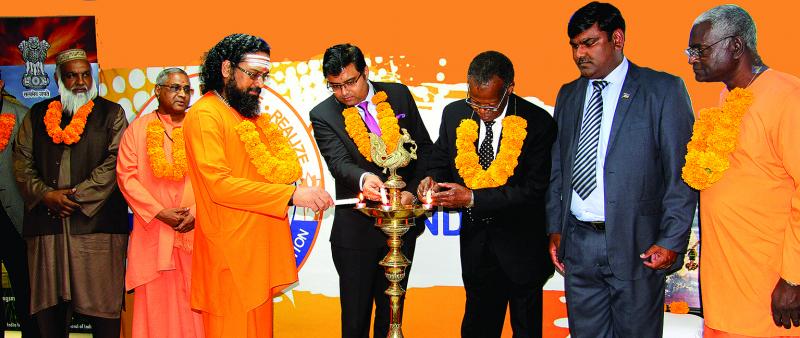
4th Sivananda Memorial Lecture to Mark 13Qth Birth Anniversary of Swami Sivananda
Date: 2017-09-14
SIVANANDA WORLD PEACE FOUNDATION PAYSTRIBUTE TO SRI SWAMI SIVANANDA 130TH BIRTHANNIVERSAY CELEBRATIONS
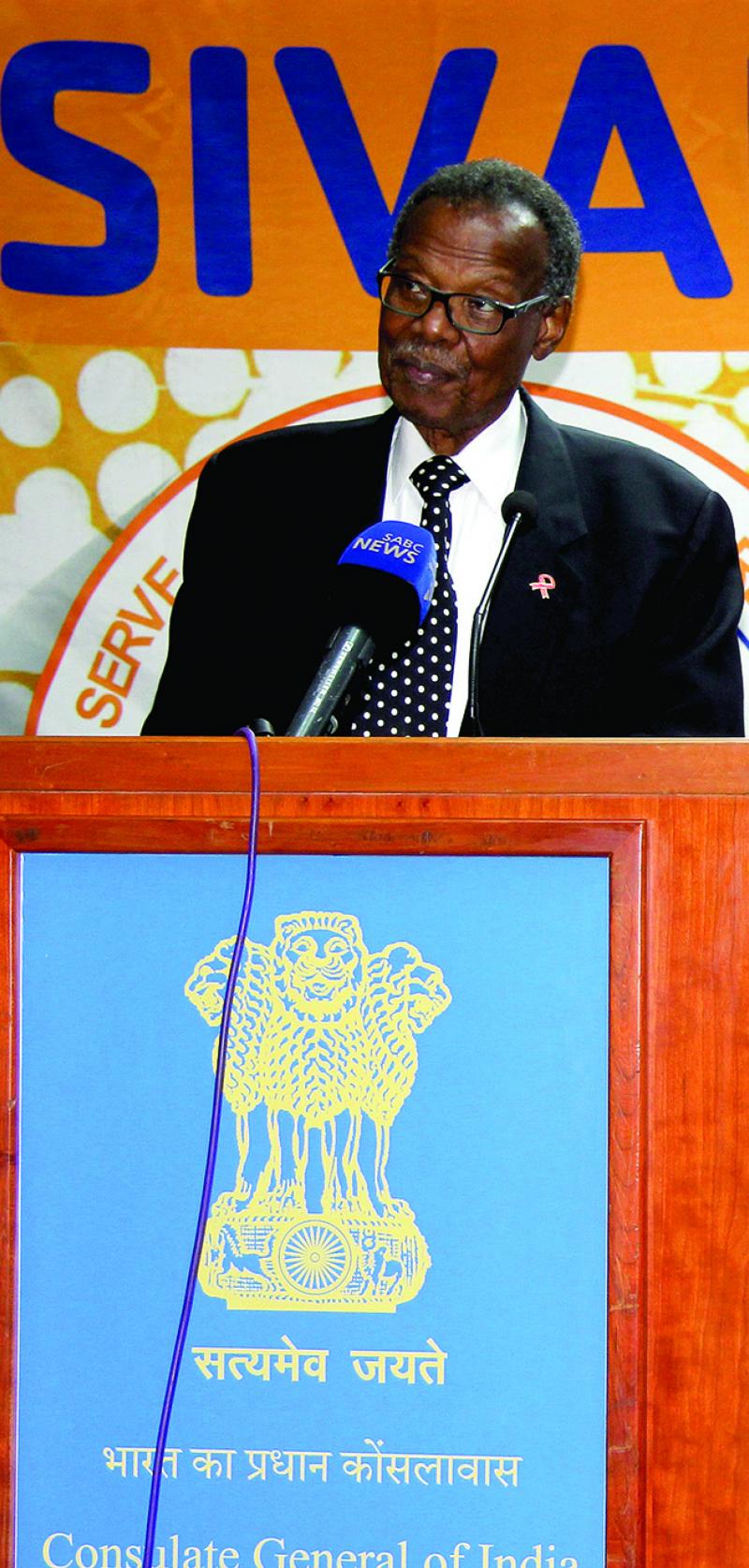
I am delighted to be able to attend this fourth memoriallecture in honour of His Holiness Sri Swami Sivananda. Itis fitting that this lecture be delivered by the Honourable Consul General Dr Shashank Vikram, as we celebrate the130th birth anniversary of His Holiness. I thank the Consulate General of India as well as the Sivananda World PeaceFoundation for bringing us together this evening.
In July 2013, as we marked the 50th Maha Samadhi anniversary of the Founder of the Divine Life Society, I hadthe privilege of delivering the first Sivananda MemorialLecture. I will therefore limit my remarks this evening, forI look forward to listening to a new perspective on the legacyand teachin~s of His Holiness.
I wish simply to express my gratitude, in particular toMr lshwar Ramlutchman, the disciple of my late friendSwami Sahajananda Saraswati. Mr Ramlutchman continuallyensures that the legacy of the Divine Life Society is honoured.Through the chapter that was started in South Africa bySwami Sahajananda, Sri Swami Sivananda's philosophyof selfless service has benefited our people for decades.
We have seen thousands of classrooms built in ourpoorest communities, as well as clinics, care centres, andhomes for children and the elderly. Through the Divine LifeSociety, this Province has also benefited from skills trainingcentres, so that the most vulnerable of our people are notmerely cared for, but taught to become self-sufficient.
That philosophy of service, coupled with self-help andsew-reliance, is at the core of my Party, the IFP. It is thereforenot surprising that I developed a deep friendship with Swami Sahajananda, or that my administration worked so closelywith the Divine Life Society, or that I got to know theteachings of His Holiness Sri Swami Sivananda.
I am always grateful when this legacy is honoured. Iam therefore pleased to support this evening's lecture.
I thank you.
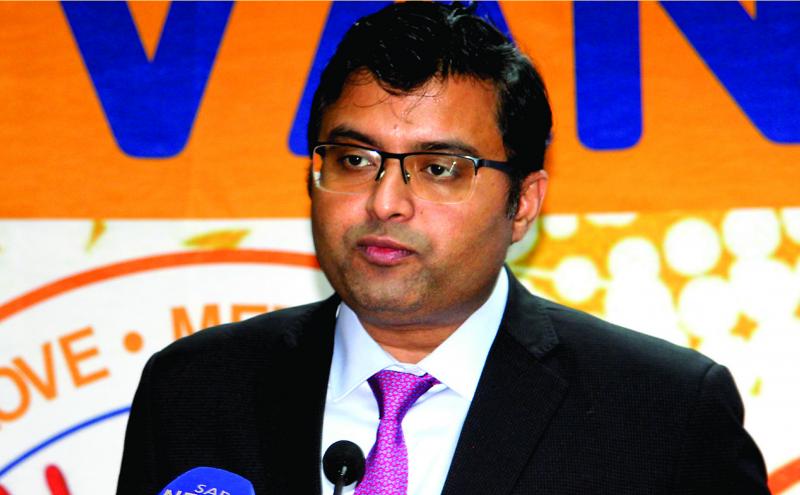
Chief guest of honour delivering the 4th Sivananda Memorial Lecture, Consul General of India, Dr. Shashank VikramIncredible India has been a 'land of spirituality andphilosophy' since time immemorial. It is a land of culture,lan~uages, religion and celebrations. This bouquet of heritage has been nurtured by ever flowing nectar ofspirituality across the length and breadth of India. Itsancient wisdom has blossomed and developed throughdifferent schools of thought and practice in Indiatransforming it into an unbelievable sketch.
India, the land of spiritualism has evolved sincecenturies and is considered a great religious hub in Asia,even today followers of almost every major religion inthe world live peacefully, side by side, in India. The vastmajority of people in India still know that "spiritus" whichis the invisible, formless essence that animates this world is more important than matter. Countless spiritual leaders of India are worshipped and acknowledged by religiously inclined people from all parts of the world.Their devotees hail from all over the globe. Most of these spiritual leaders have taken Indian religious beliefs and culture to a golden summit which barely other could ever reach.
Swami Sivananda is one of the brightest stars among the spiritual masters and gurus from India. Thank you Mr. lshwar Ramlutchman for associating Consulate General of India, Durban to host today's 4th Sivananda Memorial Lecture on Swamiji's 130th Birth anniversary. We at the Consulate have been closely working with Sivananda World Peace Foundation in promoting Indian culture and Yoga in South Africa and, in particular,among school children. In association with Sivananda World Peace Foundation, the Consulate had celebrated last three International Day of Yoga on a grand scale.
Swami Sivananda was born in Tamil Nadu, India,on 8 September 1887. As a child Swamiji was very active and well in academics and gymnastics. Swamiji attended medical school in India. Upon graduation Swamiji practised medicine and worked as a doctor in Malaysia for ten years and gave free treatment to poorpatients. Over time, a sense that medicine was healingon a superficial level grew in him, and in 1923 Swamijireturned to India to pursue a spiritual quest.
Upon his return to India Swamiji visited many placesand met his Guru Vishwananda Saraswati in Rishikeshin 1924. It was Vishwananda who initiated him into the Sannyasa order, and gave him his monastic name. Afterinitiation, Swamiji settled in Rishikesh, and immersed himself in intense spiritual practices. Sivananda performed austerities for many years and at the same time continued to nurse the sick. Swamiji started acharitable dispensary at Lakshman Jhula in 1927, serving pilgrims, holy men and the poor using his medicalexpertise.
In 1945, Swamiji created the Sivananda Ayurvedic Pharmacy, and organised the All-world Religions Federation. He established the All-world Sadhus Federation in 1947 and Yoga-Vedanta Forest Academyin 1948. Swamiji called his yoga the Yoga of Synthesis.
Swami Sivananda entered Mahasamadhi i.e.departure of a Self-realized saint from his mortal coil -on 14 July 1963 in his hut on the bank of the Ganges,in Sivanandanagar.
Swami Sivananda was a personality entirely freefrom blemish and devoid of the least trace of selfishnessor egoism. His life was touched and illuminated by the light of inner realisation, purity, power and wisdom. The feeling of having a 'higher calling' in life was always atthe back of the young doctor's mind. Amidst all the fleeting and shadowy pleasures of life, he constantly sought a higher form of lasting happiness and peace.The physical and mental distress he observed in the people he met was a source of profound sadness forhim. Through the teachings of Vedanta he gradually understood the real goal of life. It became his inner most desire to follow the path of the sages and to help people, not just their physical bodies as before, but their mindsas well. In order to completely dedicate his life to yoga,he renounced the world and spent many months as apenniless, it inerant monk, finding his way to the solitude of the Himalayas. There Swamiji practised yoga andmeditation intensely and attained self-realisation.
Swami Sivananda wrote all of his books in Englishbecause it enabled him to reach the largest audiencearound the world. He also maintained regular correspondence with hundreds of his yoga students worldwide, who turned to him seeking answers and advice. In this way, from his simple house on the banks of the Ganges in the Himalayas, Swami Sivananda spread the light of divine knowledge to all four corners of the earth.
Swamiji rose to the supreme height of a universal being which saw God glowing in every face, in every object. His life is an epitome of all that is best for the rejuvenation of the failing body, sinking mind and slumbering soul of men and women who are encircledin an abyss of disease, vice and ignorance. Emanatingfrom the holiest part of Uttarakhand i.e. Rishikesh, hisliterature over a period of several decades covered the entire globe which was instrumental in converting countless souls from darkness into Light, from materialism to the life of spirituality and the glory of God-realisation.
Swamiji's Birth Anniversary on 8th of September is regarded by thousands of souls as a supremely blessed and auspicious day. To walk along the holy path of truth, purity and universal love is the real way to celebrate his Birthday. To practice selfless service, devotion to God, daily meditation, and enquiry into the nature of Reality is verily a perennial Sivananda Jayanti.
In Swami Sivananda's preaching we find a powerful exponent of the grand philosophy of Vedanta. SwamiJi' sphilosophy is the one of the divinity of the universe, the immortality of the soul of man which is identical with the Absolute Self of the universe. The most unique and impelling feature which SwamiJi always exemplified through his daily life is that no part of life's experiencesis neglected or turned a deaf ear to his philosophy. Swami Sivananda exhorts the aspirants after the highest end of life not to fight shy of the objective reallties which stare at the face of even the majestic idealist. Everydegree of truth has to be paid its due; else they all will rebel against the proud aspirant who has trodden overthem with his eyes turned upwards.
To put it in his own words, "To adjust, adapt andaccommodate," "To see good in everything," and to bringto effective use all princilles of Nature in the progress of the individual towards Self-realisation along the pathof an integrated adjustment of the human powers, aresome of the main factors which go to build his philosophy of life. To love all and to see God in all, to serve all, because God is all, to realise God as the identity of all in one fullness of perfection, are his main canons. He prescribed methods for overcoming and mastering the physical, the vital, the mental and the intellectual planes of consciousness in order to enable the aspirant to proceed with his Sadhana without impediments towardsthis great spiritual destination, the realisation of the Absolute.
The Divine Life Society carries out its object of a world-wide revival of spirituality through publication of books, pamphlets and magazines dealing scientifically with all the aspects of Yoga and Vedanta, universal religion andphilosophy, and ancient medicine; holding and arranging cultural and spiritual conferences and discourses; establishing training centre.
Swami Sivananda was one of the great yoga masters of 20th century in India. SwamiJi pursued two careers,one as a successful physician and other as a yogi and sage. SwamiJi's work always centred on serving others: For SwamiJi, service was "love in expression". It is heartening to note that Sivananda World Peace Foundation, in the spirit of its founder, Swami Sivananda,has dedicated it self to promoting the Yoga and help less privileged in the community through various philanthropic activities and also by sponsoring visits from India of renowned devotional music singers for the spiritual upliftment of the community.
A mountain is composed of tiny grains of earth. Theocean is made up of tiny drops of water. Even so, life is but an endless series of little details, actions, speeches, and thoughts. And the consequences whether good or bad of even the least of them are far-reaching. Put your heart, mind, and soul into even your smalles tacts. This is the secret of success.
Do not brood over your past mistakes and failuresas this will only fill your mind with grief, regret and depression. Do not repeat them in the future. There is something good in all seeming failures. You are not to see that now. Time will reveal it. Be patient. Your duty is to treat everybody with love as amanifestation of the Lord.
Thank You. Ngiyabonga
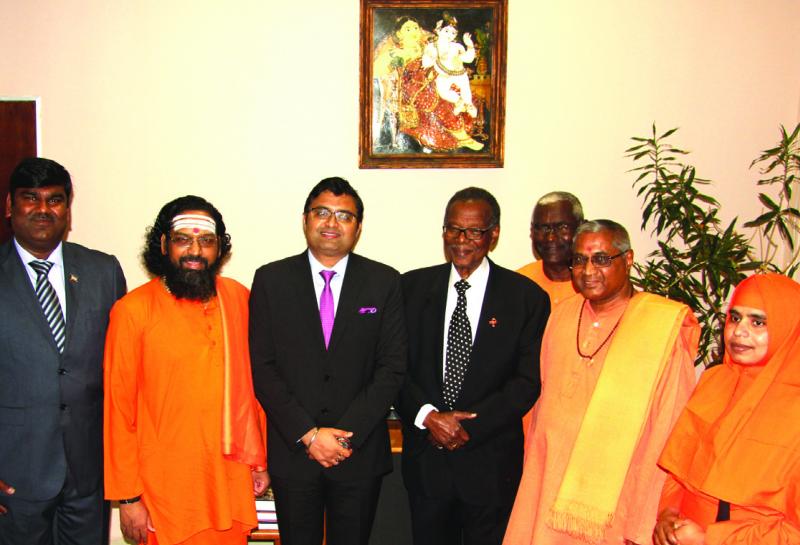
His Holiness Sri SW&ml Abehedananda, Spiritual head of the ChlnmayaMission of South Africa with event organiser Mr lshwar RamlutchmanGreat Moments: Mr Haji Mahomed Essack Naordeen, ShristiHarlnaraln, Mr lshwar Ramlutchman and Mr. Fakeer Naordeen 4th Slvananda Memorial Lecture enjoyed by all

Springclean

Nissan T5ekton