Friday, 25 September 2026
Tuesday, 15 September 2026
Thursday, 10 September 2026
Friday, 28 August 2026
Friday, 31 July 2026
Friday, 26 June 2026
Friday, 29 May 2026
Thursday, 07 May 2026
Thursday, 30 April 2026
Friday, 27 March 2026
Wednesday, 25 February 2026
Friday, 13 February 2026
Monday, 02 February 2026
Thursday, 29 January 2026
Friday, 16 January 2026
Friday, 18 December 2025
Tuesday, 08 December 2025
Saturday, 05 December 2025
Friday, 04 December 2025
Thursday, 26 November 2025
Wednesday, 25 November 2025
Wednesday, 11 November 2025
Saturday, 07 November 2025
Tuesday, 03 November 2025
Saturday, 31 October 2025
Sunday, 25 October 2025
Thursday, 22 October 2025
Wednesday, 30 September 2025
Tuesday, 29 September 2025
Friday, 25 September 2025
Saturday, 05 September 2025
Thursday, 27 August 2025
Saturday, 01 August 2025
Thursday, 23 July 2025
Thursday, 25 June 2025
Thursday, 28 May 2025
Tuesday, 19 May 2025
Friday, 15 May 2025
Thursday, 07 May 2025
Tuesday, 28 April 2025
Saturday, 25 April 2025
Thursday, 23 April 2025
Friday, 27 March 2025
Wednesday, 11 March 2025
Tuesday, 10 March 2025
Tuesday, 03 March 2025
Thursday, 26 February 2025
Sunday, 08 February 2025
Wednesday, 04 February 2025
Tuesday, 03 February 2025
Monday, 02 February 2025
Sunday, 01 February 2025
Friday, 30 January 2025
Wednesday, 28 January 2025
Sunday, 18 January 2025
Thursday, 24 December 2024
Wednesday, 23 December 2024
Saturday, 19 December 2024
Wednesday, 02 December 2024
Saturday, 28 November 2024
Thursday, 26 November 2024
Friday, 30 October 2024
Monday, 26 October 2024
Monday, 19 October 2024
Sunday, 18 October 2024
Tuesday, 13 October 2024
Friday, 02 October 2024
Sunday, 27 September 2024
Monday, 21 September 2024
Monday, 14 September 2024
Saturday, 29 August 2024
Monday, 24 August 2024
Thursday, 30 July 2024
Wednesday, 22 July 2024
Monday, 13 July 2024
Wednesday, 08 July 2024
Saturday, 27 June 2024
Thursday, 25 June 2024
Sunday, 21 June 2024
Saturday, 06 June 2024
Friday, 05 June 2024
Wednesday, 03 June 2024
Monday, 01 June 2024
Saturday, 30 May 2024
Thursday, 28 May 2024
Saturday, 16 May 2024
Wednesday, 13 May 2024
Sunday, 26 April 2024
Saturday, 25 April 2024
Friday, 24 April 2024
Thursday, 23 April 2024
Friday, 10 April 2024
Sunday, 05 April 2024
Thursday, 02 April 2024
Monday, 30 March 2024
Sunday, 29 March 2024
Saturday, 28 March 2024
Wednesday, 18 March 2024
Sunday, 15 March 2024
Saturday, 07 March 2024
Monday, 02 March 2024
Sunday, 01 March 2024
Sunday, 29 February 2024
Saturday, 28 February 2024
Friday, 27 February 2024
Monday, 02 February 2024
Sunday, 01 February 2024
Saturday, 31 January 2024
Saturday, 26 December 2023
Friday, 25 December 2023
Tuesday, 22 December 2023
Tuesday, 15 December 2023
Monday, 14 December 2023
Sunday, 13 December 2023
Tuesday, 08 December 2023
Monday, 30 November 2023
Saturday, 28 November 2023
Friday, 27 November 2023
Wednesday, 25 November 2023
Tuesday, 24 November 2023
Monday, 23 November 2023
Saturday, 07 November 2023
Friday, 30 October 2023
Wednesday, 28 October 2023
Tuesday, 27 October 2023
Monday, 26 October 2023
Saturday, 17 October 2023
Saturday, 10 October 2023
Thursday, 08 October 2023
Saturday, 03 October 2023
Friday, 02 October 2023
Thursday, 01 October 2023
Wednesday, 30 September 2023
Tuesday, 29 September 2023
Monday, 28 September 2023
Sunday, 27 September 2023
Saturday, 26 September 2023
Friday, 25 September 2023
Monday, 14 September 2023
Saturday, 05 September 2023
Friday, 04 September 2023
Thursday, 03 September 2023
Wednesday, 02 September 2023
Monday, 31 August 2023
Sunday, 30 August 2023
Saturday, 29 August 2023
Friday, 28 August 2023
Tuesday, 25 August 2023
Sunday, 23 August 2023
Monday, 17 August 2023
Sunday, 16 August 2023
Friday, 14 August 2023
Friday, 07 August 2023
Thursday, 06 August 2023
Tuesday, 04 August 2023
Monday, 03 August 2023
Sunday, 02 August 2023
Saturday, 01 August 2023
Friday, 31 July 2023
Wednesday, 29 July 2023
Monday, 27 July 2023
Friday, 24 July 2023
Saturday, 18 July 2023
Friday, 17 July 2023
Tuesday, 14 July 2023
Thursday, 02 July 2023
Wednesday, 01 July 2023
Tuesday, 30 June 2023
Monday, 29 June 2023
Sunday, 28 June 2023
Saturday, 27 June 2023
Friday, 19 June 2023
Monday, 15 June 2023
Friday, 12 June 2023
Wednesday, 10 June 2023
Saturday, 06 June 2023
Friday, 05 June 2023
Thursday, 04 June 2023
Tuesday, 02 June 2023
Monday, 01 June 2023
Sunday, 31 May 2023
Saturday, 30 May 2023
Friday, 29 May 2023
Wednesday, 27 May 2023
Monday, 25 May 2023
Sunday, 10 May 2023
Tuesday, 05 May 2023
Sunday, 03 May 2023
Saturday, 02 May 2023
Tuesday, 28 April 2023
Monday, 27 April 2023
Sunday, 26 April 2023
Monday, 06 April 2023
Monday, 30 March 2023
Sunday, 29 March 2023
Friday, 27 March 2023
Wednesday, 25 March 2023
Tuesday, 24 March 2023
Monday, 23 March 2023
Sunday, 22 March 2023
Friday, 20 March 2023
Tuesday, 17 March 2023
Wednesday, 11 March 2023
Sunday, 08 March 2023
Saturday, 07 March 2023
Friday, 06 March 2023
Thursday, 05 March 2023
Monday, 02 March 2023
Sunday, 01 March 2023
Saturday, 28 February 2023
Tuesday, 24 February 2023
Monday, 23 February 2023
Monday, 09 February 2023
Saturday, 07 February 2023
Friday, 06 February 2023
Wednesday, 04 February 2023
Sunday, 01 February 2023
Saturday, 31 January 2023
Friday, 30 January 2023
Wednesday, 28 January 2023
Tuesday, 27 January 2023
Monday, 26 January 2023
Saturday, 17 January 2023
Tuesday, 13 January 2023
Wednesday, 23 December 2022
Monday, 21 December 2022
Sunday, 20 December 2022
Wednesday, 16 December 2022
Sunday, 06 December 2022
Wednesday, 02 December 2022
Saturday, 28 November 2022
Wednesday, 25 November 2022
Tuesday, 24 November 2022
Tuesday, 17 November 2022
Wednesday, 28 October 2022
Tuesday, 27 October 2022
Thursday, 08 October 2022
Wednesday, 30 September 2022
Saturday, 26 September 2022
Friday, 25 September 2022
Thursday, 24 September 2022
Wednesday, 23 September 2022
Tuesday, 22 September 2022
Monday, 31 August 2022
Saturday, 29 August 2022
Friday, 28 August 2022
Wednesday, 26 August 2022
Monday, 24 August 2022
Monday, 17 August 2022
Wednesday, 12 August 2022
Tuesday, 28 July 2022
Tuesday, 21 July 2022
Thursday, 16 July 2022
Monday, 13 July 2022
Monday, 29 June 2022
Sunday, 28 June 2022
Saturday, 27 June 2022
Friday, 26 June 2022
Thursday, 25 June 2022
Wednesday, 24 June 2022
Tuesday, 23 June 2022
Monday, 08 June 2022
Friday, 05 June 2022
Thursday, 28 May 2022
Tuesday, 26 May 2022
Sunday, 24 May 2022
Wednesday, 29 April 2022
Tuesday, 28 April 2022
Wednesday, 22 April 2022
Tuesday, 14 April 2022
Monday, 30 March 2022
Wednesday, 25 March 2022
Tuesday, 24 March 2022
Monday, 23 March 2022
Wednesday, 18 March 2022
Monday, 16 March 2022
Sunday, 08 March 2022
Monday, 23 February 2022
Monday, 26 January 2022
Thursday, 17 December 2021
Tuesday, 15 December 2021
Sunday, 29 November 2021
Wednesday, 25 November 2021
Friday, 20 November 2021
Thursday, 29 October 2021
Thursday, 22 October 2021
Wednesday, 21 October 2021
Tuesday, 20 October 2021
Sunday, 18 October 2021
Thursday, 08 October 2021
Sunday, 04 October 2021
Thursday, 01 October 2021
Wednesday, 30 September 2021
Sunday, 27 September 2021
Wednesday, 23 September 2021
Tuesday, 22 September 2021
Wednesday, 16 September 2021
Tuesday, 15 September 2021
Tuesday, 08 September 2021
Monday, 07 September 2021
Tuesday, 25 August 2021
Monday, 24 August 2021
Sunday, 23 August 2021
Monday, 13 July 2021
Sunday, 14 June 2021
Friday, 27 March 2020
Friday, 20 March 2020
Friday, 13 March 2020
Friday, 06 March 2020
Saturday, 28 February 2020
Saturday, 21 February 2020
Saturday, 14 February 2020
Saturday, 07 February 2020
Saturday, 31 January 2020
Sunday, 20 December 2019
Sunday, 13 December 2019
Sunday, 06 December 2019
Sunday, 29 November 2019
Sunday, 22 November 2019
Sunday, 15 November 2019
Sunday, 08 November 2019
Sunday, 01 November 2019
Saturday, 31 October 2019
Sunday, 25 October 2019
Sunday, 18 October 2019
Sunday, 11 October 2019
Sunday, 04 October 2019
Sunday, 27 September 2019
Sunday, 20 September 2019
Sunday, 13 September 2019
Sunday, 06 September 2019
Sunday, 30 August 2019
Sunday, 23 August 2019
Sunday, 16 August 2019
Sunday, 09 August 2019
Sunday, 02 August 2019
Sunday, 26 July 2019
Sunday, 19 July 2019
Sunday, 12 July 2019
Sunday, 05 July 2019
Sunday, 28 June 2019
Sunday, 21 June 2019
Sunday, 14 June 2019
Sunday, 07 June 2019
Sunday, 31 May 2019
Sunday, 24 May 2019
Sunday, 17 May 2019
Sunday, 10 May 2019
Sunday, 03 May 2019
Sunday, 26 April 2019
Sunday, 19 April 2019
Sunday, 12 April 2019
Sunday, 05 April 2019
Sunday, 29 March 2019
Sunday, 22 March 2019
Sunday, 15 March 2019
Sunday, 08 March 2019
Sunday, 01 March 2019
Sunday, 22 February 2019
Sunday, 15 February 2019
Sunday, 08 February 2019
Sunday, 01 February 2019
Sunday, 25 January 2019
Sunday, 18 January 2019
Monday, 21 December 2018
Monday, 14 December 2018
Monday, 07 December 2018
Monday, 30 November 2018
Monday, 23 November 2018
Monday, 16 November 2018
Monday, 09 November 2018
Monday, 02 November 2018
Monday, 26 October 2018
Monday, 19 October 2018
Monday, 12 October 2018
Monday, 05 October 2018
Monday, 28 September 2018
Monday, 21 September 2018
Monday, 14 September 2018
Monday, 07 September 2018
Monday, 31 August 2018
Monday, 24 August 2018
Monday, 17 August 2018
Monday, 10 August 2018
Monday, 03 August 2018
Monday, 27 July 2018
Monday, 20 July 2018
Monday, 13 July 2018
Monday, 06 July 2018
Monday, 29 June 2018
Monday, 22 June 2018
Monday, 15 June 2018
Monday, 08 June 2018
Monday, 01 June 2018
Monday, 25 May 2018
Monday, 18 May 2018
Monday, 11 May 2018
Sunday, 10 May 2018
Monday, 04 May 2018
Monday, 27 April 2018
Monday, 20 April 2018
Monday, 13 April 2018
Monday, 06 April 2018
Monday, 30 March 2018
Monday, 23 March 2018
Monday, 16 March 2018
Monday, 09 March 2018
Monday, 02 March 2018
Monday, 23 February 2018
Monday, 16 February 2018
Monday, 09 February 2018
Monday, 02 February 2018
Sunday, 25 January 2018
Monday, 19 January 2018
Sunday, 11 January 2018
Tuesday, 15 December 2017
Tuesday, 08 December 2017
Tuesday, 01 December 2017
Monday, 23 November 2017
Monday, 16 November 2017
Monday, 09 November 2017
Sunday, 01 November 2017
Tuesday, 27 October 2017
Monday, 26 October 2017
Monday, 19 October 2017
Sunday, 11 October 2017
Tuesday, 06 October 2017
Monday, 28 September 2017
Tuesday, 22 September 2017
Monday, 14 September 2017
Monday, 07 September 2017
Monday, 31 August 2017
Tuesday, 25 August 2017
Tuesday, 18 August 2017
Monday, 17 August 2017
Tuesday, 11 August 2017
Tuesday, 04 August 2017
Tuesday, 28 July 2017
Tuesday, 21 July 2017
Tuesday, 14 July 2017
Tuesday, 07 July 2017
Tuesday, 30 June 2017
Tuesday, 23 June 2017
Tuesday, 16 June 2017
Tuesday, 09 June 2017
Tuesday, 02 June 2017
Tuesday, 26 May 2017
Tuesday, 19 May 2017
Tuesday, 12 May 2017
Tuesday, 05 May 2017
Tuesday, 28 April 2017
Tuesday, 21 April 2017
Tuesday, 14 April 2017
Tuesday, 07 April 2017
Tuesday, 31 March 2017
Tuesday, 24 March 2017
Tuesday, 17 March 2017
Tuesday, 10 March 2017
Tuesday, 03 March 2017
Tuesday, 24 February 2017
Tuesday, 17 February 2017
Tuesday, 10 February 2017
Tuesday, 03 February 2017
Tuesday, 27 January 2017
Tuesday, 20 January 2017
Tuesday, 13 January 2017
Wednesday, 23 December 2016
Wednesday, 16 December 2016
Wednesday, 09 December 2016
Wednesday, 02 December 2016
Wednesday, 25 November 2016
Wednesday, 18 November 2016
Wednesday, 11 November 2016
Wednesday, 04 November 2016
Wednesday, 28 October 2016
Wednesday, 21 October 2016
Wednesday, 14 October 2016
Wednesday, 07 October 2016
Wednesday, 30 September 2016
Wednesday, 23 September 2016
Wednesday, 16 September 2016
Wednesday, 09 September 2016
Wednesday, 02 September 2016
Wednesday, 26 August 2016
Wednesday, 19 August 2016
Wednesday, 12 August 2016
Wednesday, 05 August 2016
Wednesday, 29 July 2016
Wednesday, 22 July 2016
Wednesday, 15 July 2016
Wednesday, 08 July 2016
Wednesday, 01 July 2016
Wednesday, 24 June 2016
Wednesday, 17 June 2016
Wednesday, 10 June 2016
Wednesday, 03 June 2016
Wednesday, 27 May 2016
Wednesday, 20 May 2016
Wednesday, 13 May 2016
Wednesday, 06 May 2016
Wednesday, 29 April 2016
Wednesday, 22 April 2016
Wednesday, 15 April 2016
Wednesday, 08 April 2016
Wednesday, 01 April 2016
Wednesday, 25 March 2016
Wednesday, 18 March 2016
Wednesday, 11 March 2016
Wednesday, 04 March 2016
Thursday, 26 February 2016
Thursday, 19 February 2016
Thursday, 12 February 2016
Thursday, 05 February 2016
Thursday, 29 January 2016
Thursday, 22 January 2016
Thursday, 15 January 2016
Friday, 25 December 2015
Friday, 18 December 2015
Friday, 11 December 2015
Friday, 04 December 2015
Friday, 27 November 2015
Friday, 20 November 2015
Friday, 13 November 2015
Friday, 06 November 2015
Friday, 30 October 2015
Friday, 23 October 2015
Friday, 16 October 2015
Friday, 09 October 2015
Friday, 02 October 2015
Friday, 25 September 2015
Friday, 18 September 2015
Friday, 11 September 2015
Friday, 04 September 2015
Friday, 28 August 2015
Friday, 21 August 2015
Friday, 14 August 2015
Friday, 07 August 2015
Friday, 31 July 2015
Friday, 24 July 2015
Friday, 17 July 2015
Friday, 10 July 2015
Friday, 03 July 2015
Friday, 26 June 2015
Friday, 19 June 2015
Friday, 12 June 2015
Friday, 05 June 2015
Friday, 29 May 2015
Friday, 22 May 2015
Friday, 15 May 2015
Friday, 08 May 2015
Friday, 01 May 2015
Friday, 24 April 2015
Friday, 17 April 2015
Friday, 10 April 2015
Friday, 03 April 2015
Friday, 27 March 2015
Friday, 20 March 2015
Friday, 13 March 2015
Friday, 06 March 2015
Friday, 27 February 2015
Friday, 20 February 2015
Friday, 13 February 2015
Friday, 06 February 2015
Friday, 30 January 2015
Friday, 23 January 2015
Friday, 16 January 2015
Friday, 09 January 2015
Saturday, 26 December 2014
Saturday, 19 December 2014
Saturday, 12 December 2014
Saturday, 05 December 2014
Saturday, 28 November 2014
Saturday, 21 November 2014
Saturday, 14 November 2014
Saturday, 07 November 2014
Saturday, 31 October 2014
Saturday, 24 October 2014
Saturday, 17 October 2014
Saturday, 10 October 2014
Saturday, 03 October 2014
Saturday, 26 September 2014
Saturday, 19 September 2014
Saturday, 12 September 2014
Saturday, 05 September 2014
Saturday, 29 August 2014
Saturday, 22 August 2014
Saturday, 15 August 2014
Saturday, 08 August 2014
Saturday, 01 August 2014
Saturday, 25 July 2014
Saturday, 18 July 2014
Saturday, 11 July 2014
Saturday, 04 July 2014
Saturday, 27 June 2014
Saturday, 20 June 2014
Saturday, 13 June 2014
Saturday, 06 June 2014
Saturday, 30 May 2014
Saturday, 23 May 2014
Saturday, 16 May 2014
Saturday, 09 May 2014
Saturday, 02 May 2014
Saturday, 25 April 2014
Saturday, 18 April 2014
Saturday, 11 April 2014
Sunday, 05 April 2014
Saturday, 28 March 2014
Saturday, 21 March 2014
Saturday, 14 March 2014
Saturday, 07 March 2014
Saturday, 28 February 2014
Saturday, 21 February 2014
Saturday, 14 February 2014
Saturday, 07 February 2014
Saturday, 31 January 2014
Saturday, 24 January 2014
Saturday, 17 January 2014
Sunday, 20 December 2013
Sunday, 13 December 2013
Sunday, 06 December 2013
Sunday, 29 November 2013
Sunday, 22 November 2013
Sunday, 15 November 2013
Sunday, 08 November 2013
Sunday, 01 November 2013
Sunday, 25 October 2013
Sunday, 18 October 2013
Sunday, 11 October 2013
Sunday, 04 October 2013
Sunday, 27 September 2013
Sunday, 20 September 2013
Sunday, 13 September 2013
Sunday, 30 August 2013
Sunday, 23 August 2013
Saturday, 15 August 2013
Sunday, 09 August 2013
Saturday, 01 August 2013
Saturday, 25 July 2013
Sunday, 19 July 2013
Sunday, 12 July 2013
Saturday, 04 July 2013
Saturday, 27 June 2013
Saturday, 20 June 2013
Saturday, 13 June 2013
Sunday, 07 June 2013
Saturday, 30 May 2013
Saturday, 23 May 2013
Saturday, 16 May 2013
Saturday, 09 May 2013
Saturday, 02 May 2013
Sunday, 26 April 2013
Saturday, 18 April 2013
Thursday, 16 April 2013
Sunday, 05 April 2013
Saturday, 28 March 2013
Sunday, 22 March 2013
Saturday, 14 March 2013
Saturday, 07 March 2013
Saturday, 28 February 2013
Saturday, 21 February 2013
Friday, 13 February 2013
Saturday, 07 February 2013
Saturday, 31 January 2013
Friday, 23 January 2013
Saturday, 17 January 2013
Sunday, 11 January 2013
Saturday, 19 December 2012
Saturday, 12 December 2012
Sunday, 06 December 2012
Sunday, 29 November 2012
Saturday, 21 November 2012
Monday, 16 November 2012
Sunday, 15 November 2012
Saturday, 07 November 2012
Sunday, 01 November 2012
Monday, 26 October 2012
Sunday, 25 October 2012
Saturday, 17 October 2012
Saturday, 10 October 2012
Saturday, 03 October 2012
Saturday, 26 September 2012
Saturday, 19 September 2012
Saturday, 12 September 2012
Saturday, 05 September 2012
Saturday, 29 August 2012
Saturday, 22 August 2012
Saturday, 15 August 2012
Saturday, 08 August 2012
Saturday, 01 August 2012
Saturday, 25 July 2012
Saturday, 18 July 2012
Saturday, 11 July 2012
Saturday, 04 July 2012
Sunday, 28 June 2012
Saturday, 20 June 2012
Sunday, 14 June 2012
Saturday, 06 June 2012
Saturday, 30 May 2012
Saturday, 23 May 2012
Saturday, 16 May 2012
Saturday, 09 May 2012
Saturday, 02 May 2012
Saturday, 25 April 2012
Saturday, 18 April 2012
Sunday, 12 April 2012
Saturday, 11 April 2012
Sunday, 05 April 2012
Friday, 03 April 2012
Friday, 27 March 2012
Whatshot

TATA Osprey

SEEF sept
Travel: Escaping to the Scented Islands (Part 7)

Travel: Escaping to the Scented Islands (Part 7)
Date: 2016-07-08
Until the late 18th century, Seychelles remained largely uninhabited by humans. The first settlers were hardy French merchants, who established a small colony on the western flank of MahÈ, the chain's largest island. By the early 19th century, Seychelles had passed bloodlessly into the hands of the British Empire. As of 1810, the population was 3,467: 3,015 slaves, 135 free blacks, and a ruling class of 317 whites, or Grand Blancs. Seychelles slumbered — a kaleidoscopically lush and iniquitous backwater written off by the admiralty as little more than a resupply point for eastbound slavers.
Then, in 1971, an airport opened on the north-eastern coast of MahÈ. Tourist infrastructure soon followed: hotels, souvenir shops, ferries, casinos, helicopter tours. Joe Laurence, Seychelles News Agency Five years later, in 1976, England gave the islands independence. But the micro-state got off to a rough start: Just a few months after James Mancham took office as the nation's first president, he was overthrown in a coup organized by Seychelles' socialist prime minister, France-Albert RenÈ.
In time, RenÈ's foes obtained the services of a famed Irish-South African mercenary, "Mad Mike" Hoare, who served as a model for a Richard Burton's character in the Hollywood soldier-of-fortune drama,The Wild Geese. In November 1981, Hoare and a band of aging guns-for-hire chartered a plane from South Africa to Seychelles, packing AK-47s in their luggage and posing as members of a rugby-and-drinking club.
The would-be counter-coup went bad when they landed at the airport near Victoria, the islands' capital. After a brief fire fight that left one customs inspector dead, Hoare and most of his men escaped by hijacking an Air India jet. The South African government paid a R43 million ransom, news reports at the time claimed, to ensure the release of five mercenaries and a South African intelligence officer who'd been left behind.
RenÈ hung onto power with support from James Michel, who was his finance minister and then vice president. He also relied on an Italian named Giovanni Mario Ricci, another in a long chain of outsiders who came to Seychelles to make new lives.
Ricci became RenÈ's friend, advisor, financial backer, and fixer.RenÈ's government teamed with Ricci in 1978 to create Seychelles' offshore financial centre. The Seychelles Trust Company was a joint venture between Ricci and the Seychellois government and held exclusive rights to incorporate offshore companies in the islands.
RenÈ and Ricci created what was, in essence, the world's first socialist tax haven.
By 1981, the year of Mad Mike's failed coup, Ricci had taken sole ownership of Seychelles Trust Company. From his base in Seychelles, Ricci established business interests in as many as two dozen countries around the globe, associating himself with what historian Stephen Ellis calls"some distinctly unusual companies." One was a firm called International Monetary Funding, or IMF, which seemed be named in an effort to mimic the International Monetary Fund.
Ricci was also accredited to Seychelles as a diplomat representing the Sovereign Order of the Coptic Catholic Knights of Malta. It turned out that the order had nothing to the do with the Vatican's venerable Knights of Malta order of chivalry. Instead it was a commercial company based in New York City. Via this manoeuvre, Ricci snared a diplomatic passport and use of a diplomatic pouch, which allowed him to move documents around the world undetected.
Years later it would emerge that Ricci, like many foreigners who come to Seychelles, wasn't exactly what he passed himself off to be.
The father of Seychelles' offshore industry had, in fact, been a financial criminal before he found a home in the islands — and may have been connected to the Italian Mafia, one U.S. ambassador to Seychelles believed. Ricci had been convicted of fraud in Italy in 1958 and, later, of possessing counterfeit cash in Switzerland, and had come to Seychelles after being expelled from Somalia under mysterious circumstances.
RenÈ later claimed that he had asked Italian officials whether Ricci had a criminal record, but "they told us that they had nothing on him."
And then there is the case of reputed Czech mob boss Radovan Krejcir arrived in Seychelles 2005 seeking asylum, after jumping out a bathroom window back in Prague to escape police who were investigating him on murder and money laundering charges.
Krejcir now claims he provided financial support to leading Seychellois politicians and, in return, they offered him and his family a new identity. He stayed on the islands for two years, but decided to leave as the Czechs pressed Seychelles to extradite him. He later lamented that it was so boring in Seyechelles, it was like being a prisoner in paradise. He headed to South Africa on a Seychellois passport under the name Egbert Jules Savy.
Krejcir is currently behind bars in South Africa as authorities decide whether to send him back to the Czech Republic to stand trial or to try him in South Africa on kidnapping and assault charges in connection with a botched $2 million crystal meth deal. "I am no angel,"he said in his defence. "But I'm not the devil."
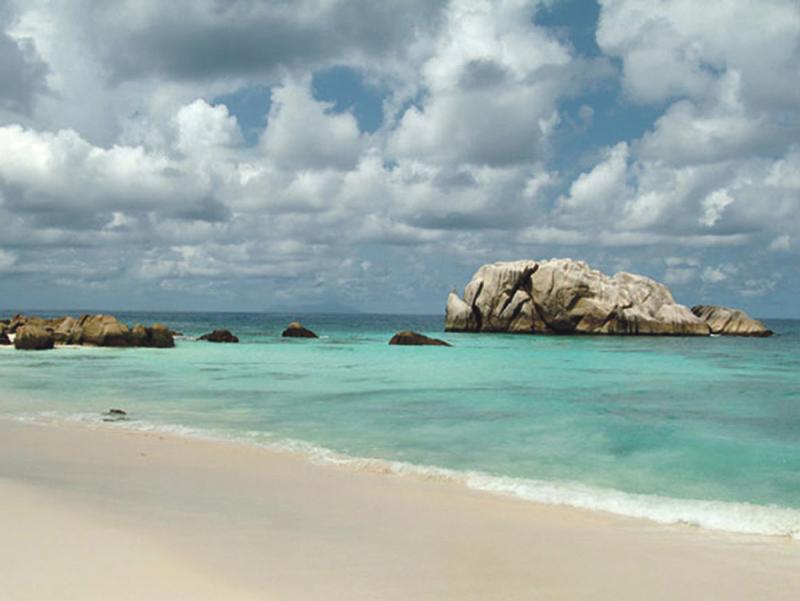
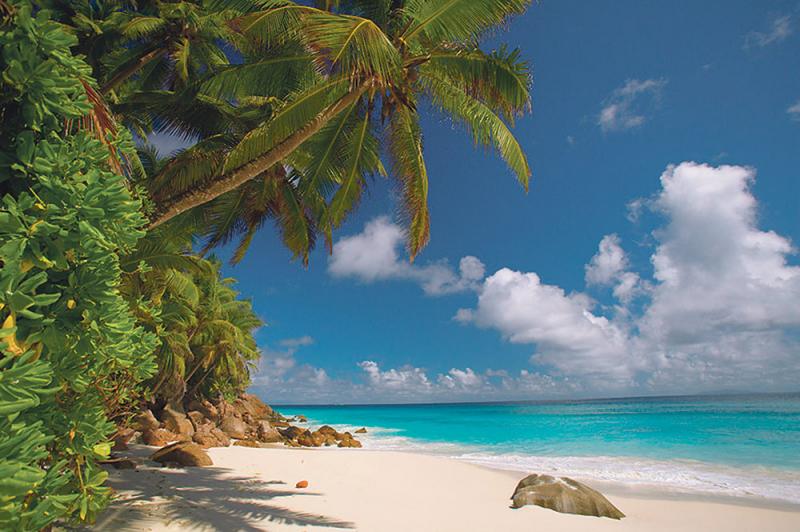
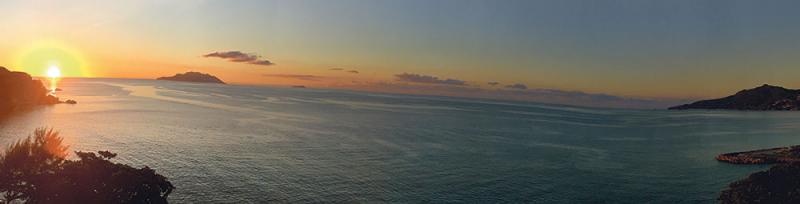
So the idyllic turquoise waters and white sandy beaches continue to attract pirates, tourists and money launderers alike. Still, these islands deserve to be on your bucket list.

Springclean

Nissan T5ekton